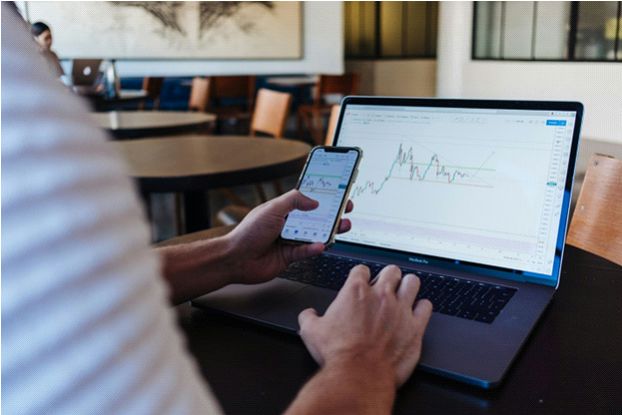
For many Filipinos,
forex trading
Why Risk Management Is A Daily Reality For Filipino Traders
Philippine traders are deeply exposed to global moves. The local economy is tied to remittances, outsourcing, tourism and commodity imports. When the dollar index jumps or major central banks make announcements, the impact quickly reaches currency pairs that Filipinos watch.
Traders have to deal with:
• Sudden spikes around US employment data or interest rate decisions
• Variable spreads during low liquidity hours that can hit stop losses
For someone trading after office hours or during breaks, watching every tick and headline is not realistic. The idea of a digital risk partner that never gets tired and constantly monitors exposure fits naturally into this lifestyle.
What An AI Risk Copilot Actually Is
An AI risk copilot is not a magic button that guarantees profit. It is a set of algorithms inside the platform that analyse your trades, account metrics and
market conditions
in real time. Think of it as a safety focused assistant that keeps asking one question in the background, is this position safe for this account under current market conditions?
Instead of only checking your margin level when you open a trade, it keeps watching as prices move, spreads change and new events appear on the calendar. The goal is to prevent small mistakes from turning into serious damage.
Key Risks AI Helps Filipino Traders Control
The most common dangers for Filipino traders are not exotic. They are simple but powerful.
First, overleveraging. Many new traders use large
position sizes
An AI copilot can be trained to:
• Flag when your position size is out of line with your account balance
• Warn if you are opening several correlated trades that all depend on the same direction
Instead of discovering these risks only after a margin call, you receive timely prompts that give you a chance to adjust or step back.
How The Copilot Works In The Background
The most helpful AI systems are quiet and consistent. They do not flood you with alerts every minute. Instead, they run several checks in the background.
They review your historical trades to see how you have handled risk in the past. They analyse which pairs you trade most, what time of day you are most active and how often you hit your own stop loss levels. They combine this with live data such as volatility measures, spread changes and event calendars.
From this mix, the copilot generates simple actions. It might suggest reducing lot size when volatility jumps, closing or trimming positions before major announcements or avoiding new trades when your open risk has already reached a daily limit you set earlier.
Helping Filipinos Avoid Emotional Decisions
Filipino traders often balance trading with work, family and community commitments. After a busy day, emotional fatigue can lead to snap decisions in front of the screen. This is where the AI copilot becomes a stabilising presence.
When it detects that you are opening trades faster than usual or increasing size after a loss, it can prompt you to pause. A short message reminding you of your plan or showing your recent drawdown in simple numbers can be enough to stop an emotional chain of trades.
Teaching Safer Habits Over Time
An AI copilot is not only reactive. It can also play a teaching role by turning your trading history into lessons.
It can show you:
• How your results change when you keep risk per trade under a fixed percentage
• Which days of the week have been most dangerous for your style
• How often you broke your own rules and what that cost in pesos
For Filipino traders who prefer learning from concrete examples, these reports are powerful. They are not based on generic textbooks. They are built from your own trades, your own wins and losses. This makes risk education more personal and harder to ignore.
Fitting An AI Copilot Into A Philippine Trading Routine
To benefit from an AI risk copilot, traders in the Philippines still need structure. The tool is most effective when combined with clear personal rules.
Many Filipinos trade in the evening after local work hours when European and US sessions are active. During these times, volatility can rise quickly. Having an AI system quietly tracking exposure while you focus on chart patterns and analysis reduces mental overload.