When Valentine’s Day forces a relationship reckoning
February 12, 2026 – 3:09 PM
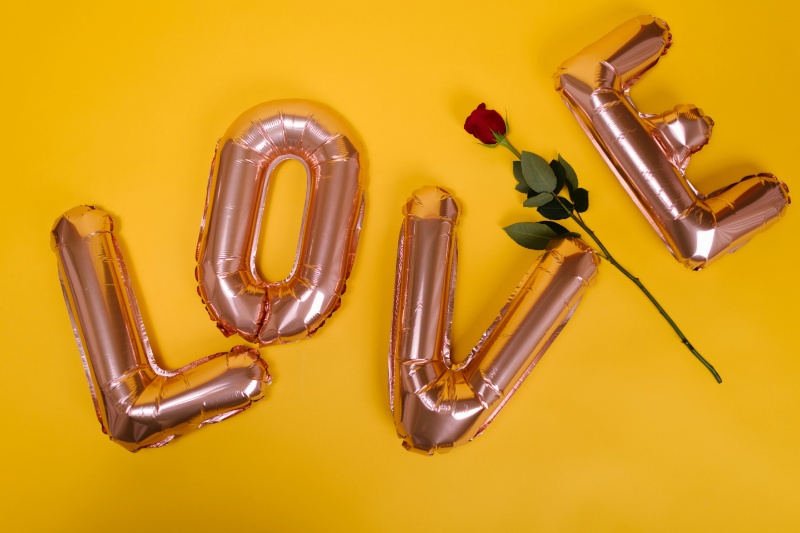
(Image by RDNE Stock project via Pexels)
How logistics industry experts plan to ‘move forward’ after COVID-19
Reasons why Filipinos love Korean culture and products
Why Batangas is the destination for budget-friendly family holidays
For people who have been quietly struggling with doubts about their relationship, the weeks leading up to Valentine’s Day can feel fraught. As Feb. 14 approaches, questions that were once easy to sidestep often become harder to ignore.
In a study that tracked romantic couples
At first glance, this timing may seem strange. Why would couples break up just before a holiday devoted to love, connection and commitment?
Other findings from this study reveal that the increase in breakups appeared only among couples who were already struggling, not among those who were stable or getting stronger.
A psychological turning point
For couples who have been struggling for months, Valentine’s Day can bring those feelings into sharper focus, forcing people to confront questions they may have been postponing: Are we happy? Are we moving forward? Is this relationship something I want to celebrate?
temporal landmarks
: points that divide time into a psychological before and after. They prompt people to take stock of their lives and make decisions they have been postponing. Romantic relationships are no exception.
Rather than creating doubt, these dates tend to accelerate decisions that were already unfolding, turning private uncertainty into a sense that change is overdue.
The pressure to perform
Not all temporal landmarks carry the same emotional weight, however. Valentine’s Day is an unusually ritualized and commercialized landmark.
Consumer research shows that the holiday
In the weeks
In this sense, Valentine’s Day does not just invite reflection — it demands a performance.
This helps explain why breakups often happen before Valentine’s Day rather than after. Ending a relationship afterward can feel deceptive, especially if gifts were exchanged or plans were made. Many people would rather leave than perform romance they no longer feel, or accept gestures that imply a level of commitment they are unsure they can sustain.
That timing reflects a broader tendency to delay difficult decisions around holidays. Ending a relationship is emotionally uncomfortable at the best of times,
and research shows
people sometimes delay breakups to spare their partner pain. Holidays can intensify that hesitation.
In a
nationally representative survey
, 22 per cent of American adults said they ended relationships before Valentine’s Day because they did not want their partner to buy them gifts or spend money when they already knew the relationship was ending.
Uncertainty becomes impossible to ignore
The sense of being torn — wanting to avoid hurting a partner while also feeling unable to keep pretending — reflects
a state psychologists call ambivalence
Ambivalence is not indifference; it is the uncomfortable experience of holding competing motivations and emotions at the same time. Many people feel ambivalent long before a relationship ends, even in relationships that look stable from the outside.
Research shows that this kind of internal conflict
predicts lower satisfaction and greater instability over time.
Valentine’s Day intensifies ambivalence because it transforms private uncertainty into public signalling. Participating in the holiday sends a message that a relationship is intact and future-oriented. Dinner reservations, office flower deliveries and social media posts all carry symbolic weight.
Social comparison can add fuel to the fire. Valentine’s Day makes other people’s relationships unusually visible, often in idealized form. Couples appear everywhere — online and offline — celebrating love with carefully curated gestures.
Decades of relationship research show that commitment
is shaped not only by how satisfying a relationship is, but by how it compares to expectations and perceived alternatives.
Not everyone experiences this pressure in the same way.
Research shows that people who are uncomfortable
Valentine’s Day rarely ends relationships on its own, of course. But it can make months of uncertainty suddenly very real, turning private doubts into decisions that feel urgent and unavoidable.
Emily Impett
, Professor of Psychology,
University of Toronto.
The Conversation
under a Creative Commons license. Read the
original article
TAGS
love
relationships
Valentine’s Day