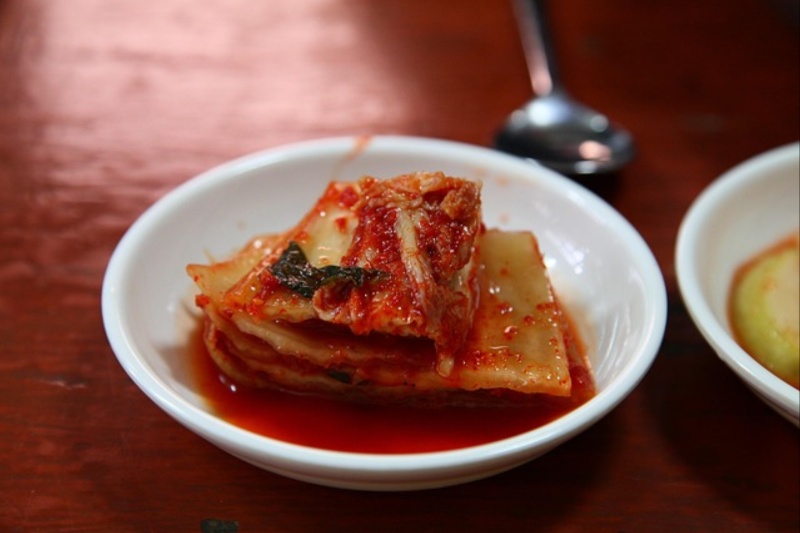
Kimchi may boost immune function, recent study shows
December 5, 2025 – 1:45 PM
Image by daecheonnet via Pixabay
How logistics industry experts plan to ‘move forward’ after COVID-19
Reasons why Filipinos love Korean culture and products
Why Batangas is the destination for budget-friendly family holidays
Kimchi has been enjoyed for centuries in
Korea
. But the spicy
fermented
microbes living in our gut
as well as our
overall health
recent study suggests that
kimchi may also help support the immune system.
The study looked at 13 overweight adults over a 12-week period. Participants were randomly assigned to three groups. One group received a placebo, while the other two groups received two different types of kimchi powder (kimchi that had been freeze dried and put into a capsule).
The first type of kimchi powder was naturally fermented using microbes already in the environment. The second type was fermented with a chosen bacterial culture instead of relying on natural microbes. The amount of kimchi powder participants were given daily was roughly equivalent to eating 30 grams of fresh kimchi.
Blood samples were taken before and after the study and analysed using a technique that shows what each immune cell is doing instead of giving an overall average. This gives a detailed view of how the immune system responded.
The study found that kimchi affected the immune system in a targeted way. It increased the activity of
antigen-presenting cells
(APCs). These are immune cells that ingest pathogens, process them and show pieces of those pathogens on their surface so the body’s
helper T cells
(which coordinate overall immune response) know to mount a response against those specific pathogens.
There were also genetic changes in helper T cells that made them react more quickly to anything that triggers an immune response. Since helper T cells coordinate immune responses, these changes mean they’re better equipped to help other immune cells fight infections effectively.
Most other immune cells stayed the same, meaning kimchi targeted helper T cells rather than activating the entire immune system. Maintaining this balance is important because the immune system must be able to respond to infections effectively while avoiding excessive inflammation that can damage tissues.
Overall, the results suggest that kimchi helps the immune system respond to threats more effectively without causing too much inflammation. Both types of kimchi produced these effects – though starter-culture kimchi showed a slightly stronger effect. Those taking the placebo saw no immune changes.
These findings point to potential benefits for defence against viruses, responsiveness to vaccines and regulation of inflammation – although further research is needed.
Immune cell function
It’s worth mentioning that this study was small and focused on changes in immune cells, not actual health outcomes. So we don’t yet know if eating kimchi in this way would reduce infections or inflammation in daily life.
However, the study does provide a plausible molecular explanation for how fermented foods can influence immune function. This tells us more than we can learn from studies that only observe people’s habits. It links a common fermented food to measurable effects on immune cells – supporting the idea that fermented foods may be used strategically to enhance immune regulation and overall immune balance.
Kimchi isn’t the only fermented food that may have immune benefits. Other foods such as yogurt, kefir, sauerkraut, miso and kombucha contain live microbes and metabolites that have a
positive effect on the microbiome
and may
influence immune function
Some studies have also shown that
fermented dairy products
can increase beneficial gut bacteria and modulate immune responses,
including T cell and antibody activity
The exact effects of fermented foods will depend on many variables, including the microbes present, the fermentation method and an individual’s unique gut microbiome.
Different fermented foods may also have different effects due to the microbes they contain. This is why including a variety of fermented foods may be more beneficial than relying on a single type.
There’s no established recommendation for how much fermented food to eat. In this study, participants consumed the equivalent of 30 grams of kimchi per day, an amount that is feasible for most people.
While research is still unfolding, including a variety of fermented foods in your diet is an easy and enjoyable way to explore the potential benefits for your gut and immune system.
Rachel Woods
, Senior Lecturer in Physiology,
University of Lincoln
The Conversation
under a Creative Commons license. Read the
original article
TAGS
immune system
kimchi