Laundry is a top source of microplastic pollution – here’s how to clean your clothes more sustainably
January 20, 2026 – 1:53 PM
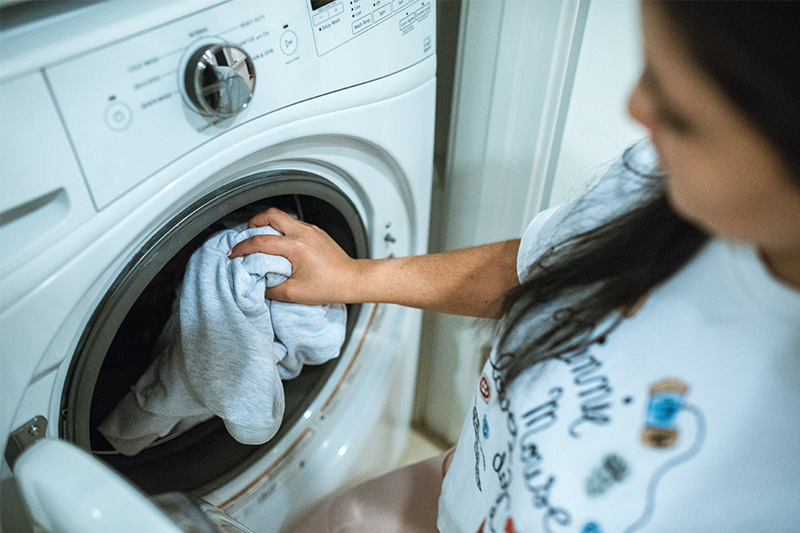
Image by RDNE Stock project via Pexels
How logistics industry experts plan to ‘move forward’ after COVID-19
Reasons why Filipinos love Korean culture and products
Why Batangas is the destination for budget-friendly family holidays
Microplastics are turning up everywhere, from
remote mountain tops
deep ocean trenches
. They also are in
many animals
including humans
The most common microplastics in the environment are
microfibers
Textiles shed microfibers while they are manufactured, worn and disposed of, but
especially when they are washed
. A single wash load can release
several million microfibers
. Many factors affect how many fibers are released, including fabric type, mechanical action, detergents, temperature and the duration of the wash cycle.
My research
focuses on coastal ecology and water pollution, including work in New York and New Jersey marshes and estuaries that are heavily affected by human activities. Here are some things to know about reducing microplastic pollution from your washing machine.
From fabric to water and soil
Once garments release microfibers in washing machines, the fibers enter the wastewater stream, which generally goes to a wastewater treatment plant. Advanced treatment plants
can remove up to 99% of microfibers
from water. But since a single laundry load can produce millions of fibers, treated water discharged from the plant still contains a huge number of them.
Microfibers that are removed during treatment end up in
sewage sludge
– a mix of solid materials that is processed to remove pathogens. In many cases, treated sewage sludge is applied to soil as a fertilizer. This allows microfibers to enter air and soil, and to be transferred to soil organisms and up the terrestrial food web or
taken up by crops
Microplastics that wash into rivers, lakes and bays can have many harmful effects. They may be consumed by fish and other aquatic animals, affecting their
biochemistry, physiology, reproduction, development or behavior
phthalates
bisphenol A
that can leach out and may have health effects in humans and animals, including
effects on the endocrine system
Textile microfibers also contain additional chemicals that
have been shown to be toxic
, such as
fabric dyes
anti-wrinkle agents
flame retardants
. In addition, contaminants that are present in the water, such as metals and pesticides, can stick to microplastic particles, turning them into a veritable cocktail of contaminants that may be
transferred into animals that eat them
Washing more sustainably
Not all fabrics shed microfibers at the same rate. A loosely woven fabric that feels fluffy or fuzzy, such as fleece, sheds more than a tightly woven one. While garments made of natural fibers, such as cotton and wool, would appear to be a solution, unfortunately they
also shed microfibers
that can pick up pollutants in the environment.
Some textile scientists and manufacturers are developing
fabrics that shed less than existing ones
, thanks to features such as longer fibers and coatings to reduce shedding. Meanwhile, here are some ways to reduce microfiber shedding from your laundry:
Do laundry less often. Washing full loads instead of partial loads reduces release of microfibers because garments are
exposed to less friction
during the wash cycle.
Use cold water, which
releases fewer microfibers
than hot water.
Use less detergent, which increases microfiber release.
Use a front-loading washing machine, whose tumbling action
produces less microfiber release
Dry laundry
on a clothesline
. Running clothes in dryers releases additional microfibers into the air from the dryer vent.
Several types of products collect microfibers in the washer before they are released with wastewater. Some are laundry bags made of woven monofilament, a single-polyamide filament that does not disintegrate into fibers. Laundry is washed while enclosed in the bag, which traps microfibers that the garments release. A study of one such product,
Guppyfriend
, found that it
collected about one-third of released microfibers
Another device, the
Cora Ball
, is a plastic ball with spines topped with soft plastic discs that capture microfibers. It
reduces microfibers by about 25% to 30%
, but may not be suitable for loose knits because it can snag on threads and damage clothing.
Filter your washwater
Several brands of
external filters
are available
that can be
retrofitted onto existing washing machines
. External filters can
remove up to 90% of microfibers from rinse water
. Their average cost is about US$150. Owners need to clean the filters periodically and dispose of the collected microfibers with other solid waste, not down the drain, which would put them back into the wastewater stream.
significantly reduced microfibers in treated water
from the local treatment plant.
Some companies are now manufacturing washers with
built-in microfiber filters
. France has
enacted a requirement
for all new washing machines to be equipped with filters by 2025, and Australia has announced that
filters will be required
in commercial and residential washers by 2030.
vetoed the bill
, saying he was concerned about the cost to consumers. An economic study commissioned by Ocean Conservancy found that filters would increase the price of washing machines by
only $14 to $20 per machine
. Several states are
considering regulations that would require filters in washers
In my view, requiring manufacturers to add filters that can trap microfibers to washing machines is a reasonable and affordable step that could rapidly reduce the enormous quantities of microfibers in wastewater. The eventual solution will be reengineered textiles, which won’t shed, but it will take some time to develop them and move them into clothing supply chains. In the meantime, filters are the most effective way to tackle the problem.
Judith Weis
, Professor Emerita of Biological Sciences,
Rutgers University – Newark.
The Conversation
under a Creative Commons license. Read the
original article
TAGS
laundry
microfiber
microplastic pollution
Microplastics
water pollution