Bishops tackle ethical, human-centered use of AI in evangelization
January 28, 2026 – 9:02 AM
How logistics industry experts plan to ‘move forward’ after COVID-19
Reasons why Filipinos love Korean culture and products
Why Batangas is the destination for budget-friendly family holidays
Church communicators must ensure that artificial intelligence serves human dignity and authentic encounter, not replace them, speakers said during a seminar on AI held at the sidelines of the 131st Plenary Assembly of the Catholic Bishops’ Conference of the Philippines (CBCP).
The Jan. 20 seminar, organized by the CBCP Episcopal Commission on Social Communications (ECSC), brought together bishops and experts to reflect on the opportunities and risks of artificial intelligence in evangelization, pastoral ministry, and media work.
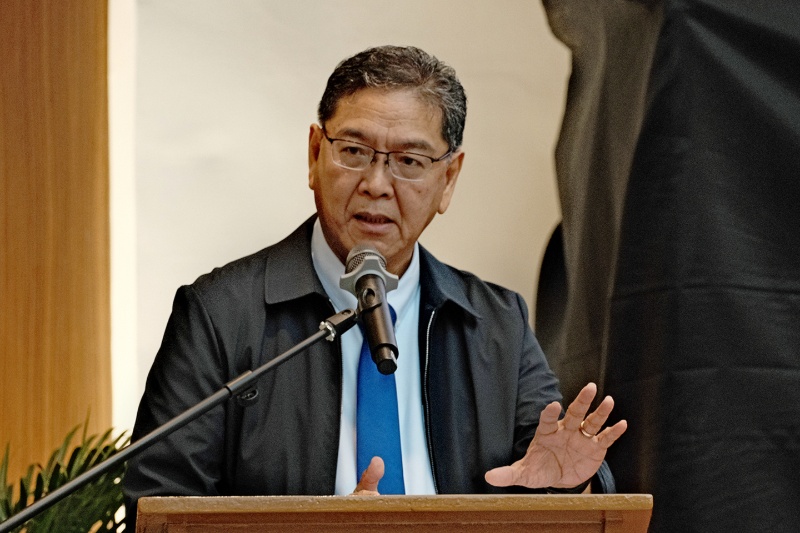
Edwin Lopez, newly appointed executive secretary of the CBCP-ECSC, emphasized that the Church’s approach to AI must still be rooted in human relationships.
‘People always come first’
In his presentation, Lopez warned against treating AI as a substitute for pastoral presence, noting that evangelization is inherently relational.
“God did not just send a message; He sent Himself,” he said, pointing to the Incarnation as the Church’s model for communication. “Evangelization must always lead people to encounter, not automation.”
Drawing from Catholic social teaching and media ethics, Lopez underscored that AI tools should assist, not replace, human discernment.
He also cautioned against overreliance on so-called “agentic AI,” asking whether machines could ever provide the relational presence essential to Christian communication.
“Can an agentic AI create communion?” he asked. “In evangelization, relational communications always precedes persuasive communications.”
AI as a pastoral challenge
In his opening address, Caceres Archbishop Rex Andrew Alarcon, chair of the CBCP-ECSC, framed the seminar as part of the Church’s response to a rapidly changing technological landscape.
“It is not only a time of change, but a change of epoch,” Alarcon said, echoing Pope Francis’ description of the digital age.
He noted that artificial intelligence now affects nearly every aspect of daily life—from communication and transportation to ministry and evangelization—making it imperative for Church leaders to understand its implications.
He said bishops need to be equipped with both technical awareness and ethical grounding, particularly in light of the Vatican document Antiqua et Nova, which examines the relationship between artificial and human intelligence.
Human dignity at the center
Alarcon warned that technological progress without moral reflection risked undermining human dignity, recalling earlier debates on bioethics and scientific advancement.
Alarcon and Lopez stressed that evangelization in the digital age must remain grounded in personal encounter, empathy, and moral responsibility.
Lopez concluded by reminding participants that technology must never replace the Church’s core mission.
“We do not need more technology,” he said. “We need more humanity.”
TAGS
Catholic Bishops Conference of the Philippines
cbcp