Social media weighs in as palitaw is dubbed ‘coconut mochi’
February 10, 2026 – 3:58 PM
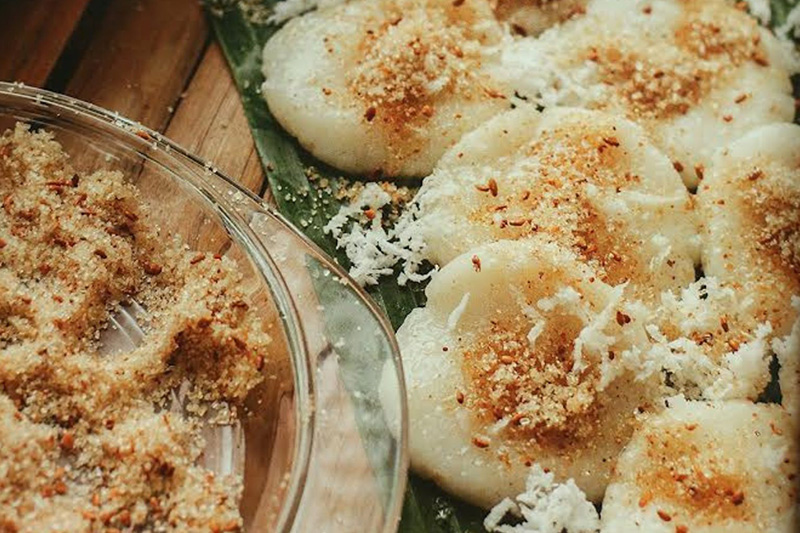
Palitaw snacks (Photo with permission from Chef Tatung Sarthou via Philstar.com)
How logistics industry experts plan to ‘move forward’ after COVID-19
Reasons why Filipinos love Korean culture and products
Why Batangas is the destination for budget-friendly family holidays
A post about a kakanin, a traditional Filipino snack made from glutinous rice, went viral after it was referred to as “coconut mochi” instead of “palitaw.”
On February 4, director
Bobby Bonifacio Jr.
“Chanced upon this coconut mochi at the local village eatery and it was delightful,” the caption read.
“Coconut mochiiii???? I mean, it makes sense… pwede na ilaban sa neon balls at soybean curd,” another
with a grinning-with-sweat emoji.
“Neon balls” is another name for kwek-kwek, which are boiled quail eggs coated in orange batter.
“Soybean curd,” meanwhile, refers to taho, a silken tofu snack served with tapioca pearls and brown sugar syrup.
user
“Mochi pala ‘yung sosyal na name ng palitaw?” another
wrote
Others, meanwhile, disapproved of the English term, noting that “mochi” isn’t Filipino but of Japanese origin.
“Take pride [in] its Filipino name,” another
wrote
“Stop calling it coconut mochi, use [its] proper name — PALITAW! pauso kayo eh,” a different
“Respeto naman sa Mochi, anlayo nung palitaw, its either malagkit na bigas na isasaing or flour, which, madali lang lutuin. One step lang. Mochi takes long, kasi pinapalo palo pa ‘yon para lumagkit kasi matrabaho ng paghahalo ng ube. Pero masarap talaga palitaw,” another
said
“Mochi is Japanese… palitaw is Filipino. No offense to mochi, but calling palitaw, mochi, erases the culture behind it,” a different
Pinoy
Mochi is a Japanese rice cake made from “mochigome,” a sweet glutinous rice that is steamed, pounded into a smooth dough, and molded into various shapes.
Meanwhile, “palitaw” is a soft and chewy Filipino rice cake made from glutinous rice flour and water. It is rolled in grated coconut mixed with sugar or muscovado and sprinkled with toasted sesame seeds.
Enjoyed as a snack or dessert, palitaw gets its name from the Filipino word litaw, meaning “float” or “surface,” because the flat dough rises to the top of boiling water when fully cooked.
The snack is believed to have originated in Pangasinan, a province in Northern Luzon known for its strong rice-growing traditions.
ALSO READ:
Palitaw: The Easiest Kakanin to Make for Christmas
TAGS
coconut mochi
Filipino snack
kakanin
palitaw