Most Asians value quality of life, financial independence in retirement —report
December 18, 2025 – 2:38 PM
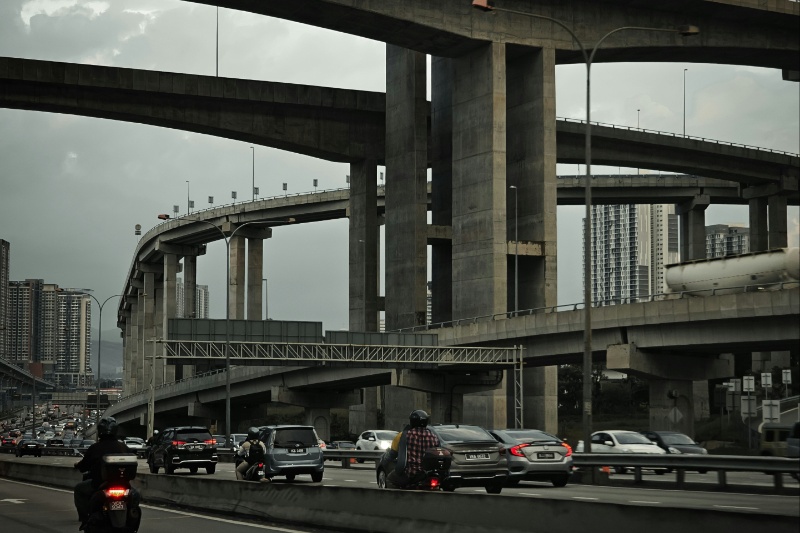
A highway filled with lots of traffic next to tall buildings in Malaysia. (Image by KC Shum via Unsplash)
How logistics industry experts plan to ‘move forward’ after COVID-19
Reasons why Filipinos love Korean culture and products
Why Batangas is the destination for budget-friendly family holidays
As life expectancy rises across Asia, more people are placing a premium on living meaningfully and independently in retirement—yet many still face challenges in achieving financial security, according to a report.
2025 Financial Resilience and Longevity
Report for Asia
released by
Manulife Wealth & Asset Management
(Manulife WAM), which surveyed respondents in Hong Kong, Malaysia, Indonesia and the Philippines, found that most Asians prioritize quality of life over longevity itself.
Fewer than one in ten said they wanted to live longer regardless of circumstances, while half emphasized the importance of a purposeful life, and over one-third expressed a desire not to become a burden on others.
Financial well-being closely linked to health
The study also revealed a strong connection between financial security and overall wellbeing. About 75% of respondents across the four markets said their financial health affects their physical and mental health, while 85% reported that it shapes their mental state during retirement.
“People across Asia want to enjoy their extended lifespans with dignity, purpose, and freedom,”
Calvin Chiu,
Head of Asia Retirement, Manulife and Chief Executive Officer, Manulife Investment Management Hong Kong said.
“That requires a shift in mindset—from saving for retirement to planning for longevity,” he added.
Confidence gap in retirement preparedness
Despite awareness of the importance of financial planning, less than half of respondents across Asia feel they will have enough funds for retirement. Confidence varies by market, from 48% in Hong Kong to 77% in Indonesia, with mid-career adults (ages 45–54) being the least optimistic.
“Holding too much cash and relying solely on property can leave people vulnerable to inflation and income shortfalls,” Chiu said.
“Building financial resilience means diversifying across income- generating and inflation-protected assets—and doing so early,” he added.
Professional advice boosts confidence
The Philippine perspective
In the Philippines, just over half (52%) of respondents feel financially prepared for the future. The survey also found a shift in investment priorities: 73% now prefer income-generating investments over property (71%), reflecting a growing awareness of diversified retirement planning.
Across all markets and generations, respondents ranked a work-free new chapter as the top retirement priority. This preference is strongest among younger adults (25–34) at 55% and older adults (60+) at 58%, while mid-life respondents (45–59) showed a more balanced approach, with many opting to continue some form of employment.
A call to action
Manulife WAM encourages individuals, employers, and financial planners to rethink traditional retirement strategies. The report recommends a holistic approach that combines early financial planning, diversified investments, and continuous professional guidance to help people thrive in longer retirements.
“Longevity should be a source of optimism, not anxiety,” Chiu said.
“With the right financial habits and guidance, people can turn longer lives into better lives—and that’s the vision driving our work at Manulife,” he added.
—With Rosette Adel
TAGS
2025 Financial Resilience and Longevity Report for Asia
Calvin Chiu
manulife
Manulife Wealth & Asset Management